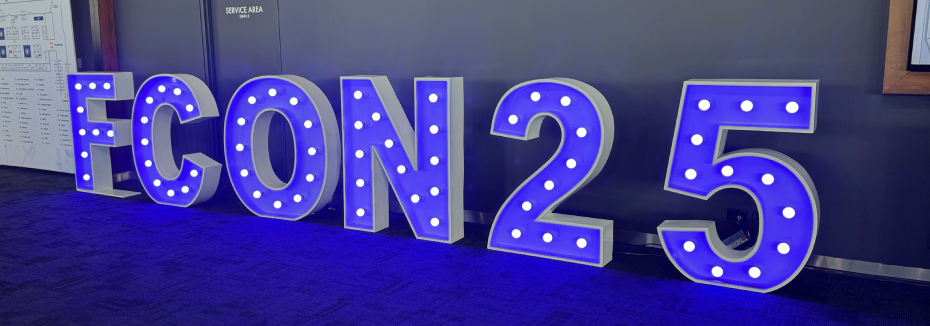
The Felix team was on the ground at this year’s Future of Construction Summit in Brisbane and we were delighted to be surrounded by and interacting with industry leaders, experts and innovators.
The event showcased interesting and insightful discussions over two days, and one presentation that really caught our attention was The Future State of Construction by Andy Rampton of Procore Technologies.
Andy states that the construction industry is evolving – with emerging technologies, a changing workforce and new ways of thinking. Below we summarise the session to share the key themes that are driving this transformation.
Construction is a paradox
Andy said that the best word to describe the construction industry is “paradox” – as there are two conflicting views.
The construction industry brings in significant investments and opportunities each year, but challenges such as costs of rework, resource gaps, work-related mental health issues as well as supply chain and workforce issues could be detrimental if not addressed.
So how can industry resolve these challenges? Through innovation and modernisation. And how? This is discussed further in the sections below.
Adoption of new technologies
While technologies such as AI and robotics have been created to help modernise systems and streamline processes over the last several years, there is still a large number of oraganisations that have not seen the value of these technologies and are still relying on their age-old ways – which can be slow-paced.
“Why are we, as an industry, not taking advantage of the tools that we have available to us today?” was a rhetorical question asked of the audience by Andy.
Hundreds of tools are already available in the market today that will help construction companies manage day-to-day tasks as well as bigger work like procurement and supply chain management.
These tools will enable work to get done quickly and more efficiently and produce more reliable results.
Using technology to drive better results
With all the tools available today, what’s left now is for companies to be a bit more open-minded in adopting or, as Andy would say, embedding these tools into their daily work and processes to achieve better productivity, efficiency, reliability, profitability and even provide a healthier work environment.
“Embedment speaks to a time where things are used as a daily activity within the processes that you use to run your projects and to run your business,” says Andy.
--
As a tech solution ourselves, Felix was built to meet the needs of builders and infrastructure contractors to overcome manual, labour intensive vendor management and supply chain procurement processes. Why not take on Andy’s advice, and see how you can embed Felix in your organisation for better business outcomes such as improved productivity, efficiency, reliability, profitability and an enhanced work environment.
You can read through our Solutions page, or you can request a demo.




.jpeg)